


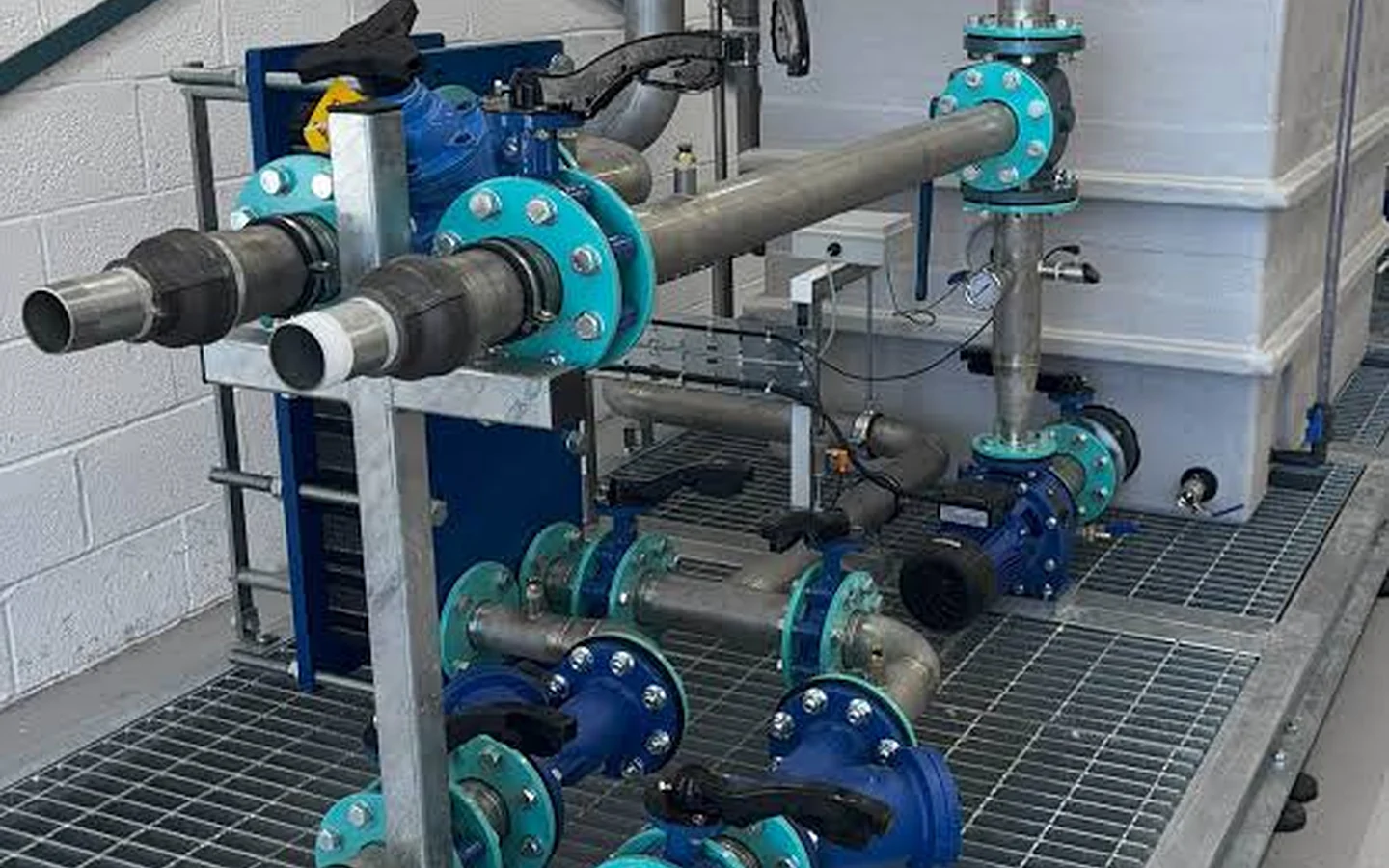
Equipment Installation
Mechanical Equipment Installation
Equipment access, movement, supporting conditions, clearances and connection points are reviewed before installation progresses.
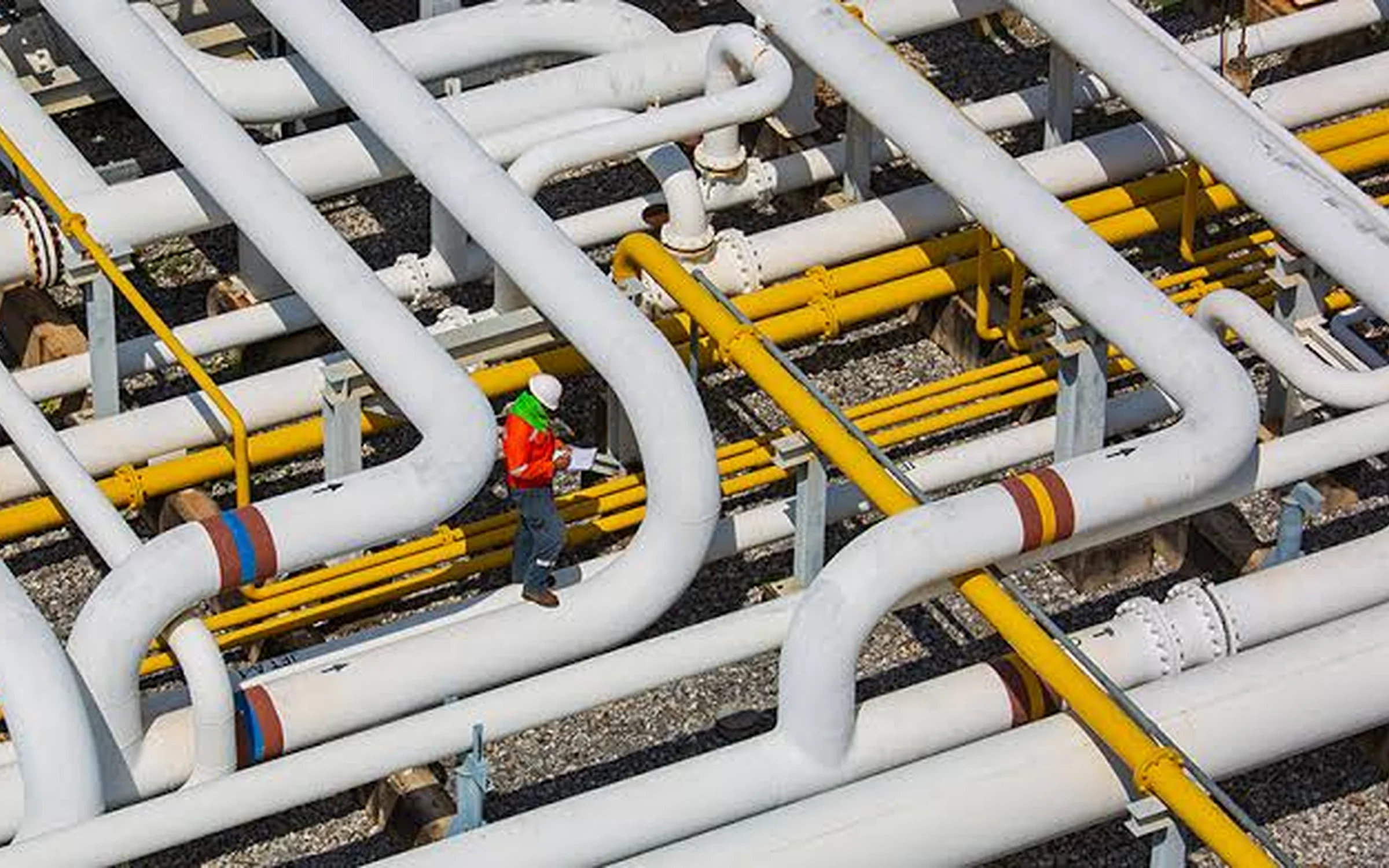
Service Overview
Mechanical work succeeds when equipment, piping and interfaces are considered before installation starts.
Wattle Contracting undertakes mechanical equipment installation, piping, supports and mechanical connections for building, industrial and technical project requirements.
We plan around equipment access, movement routes, supporting conditions, connection points and maintainability so installation can progress without creating avoidable constraints for the wider project.
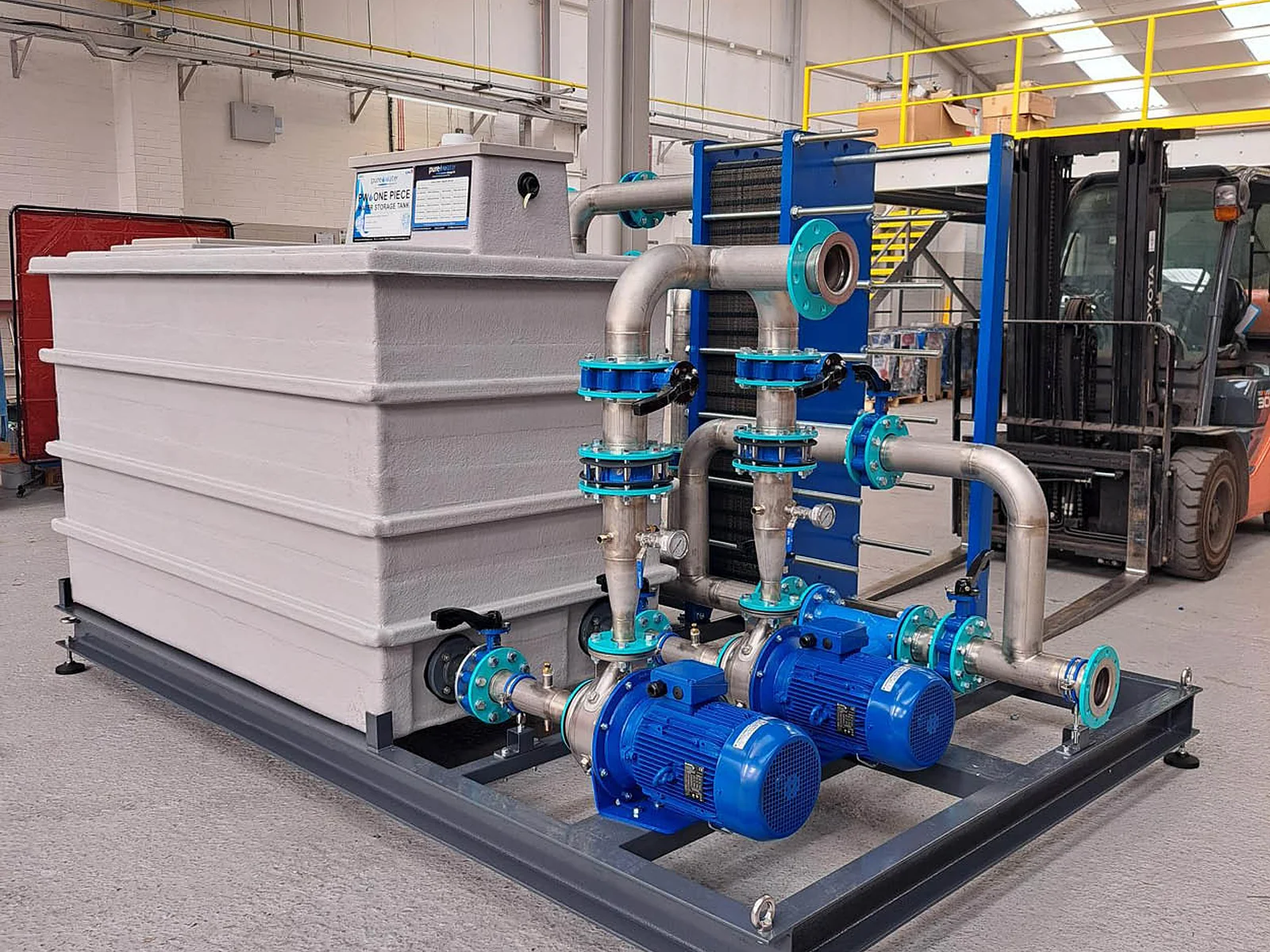 Equipment · Piping · Interfaces · Completion
Our Capabilities
Our mechanical capability is built around installation readiness, practical access and clearly coordinated connections.
Equipment Installation
Equipment access, movement, supporting conditions, clearances and connection points are reviewed before installation progresses.
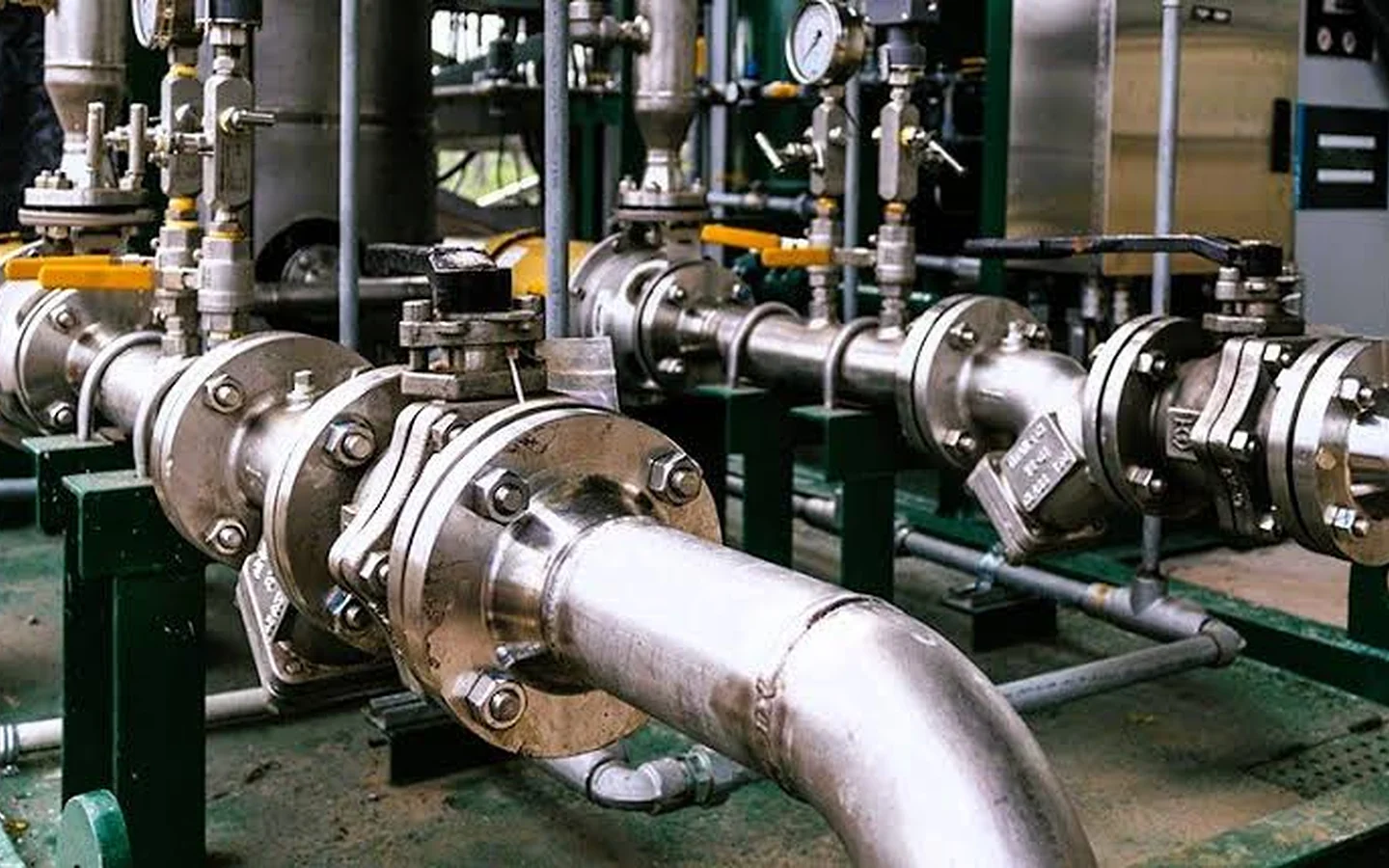
Piping Works
Piping is installed around approved routes, equipment connections, supports and the technical services sharing the same areas.
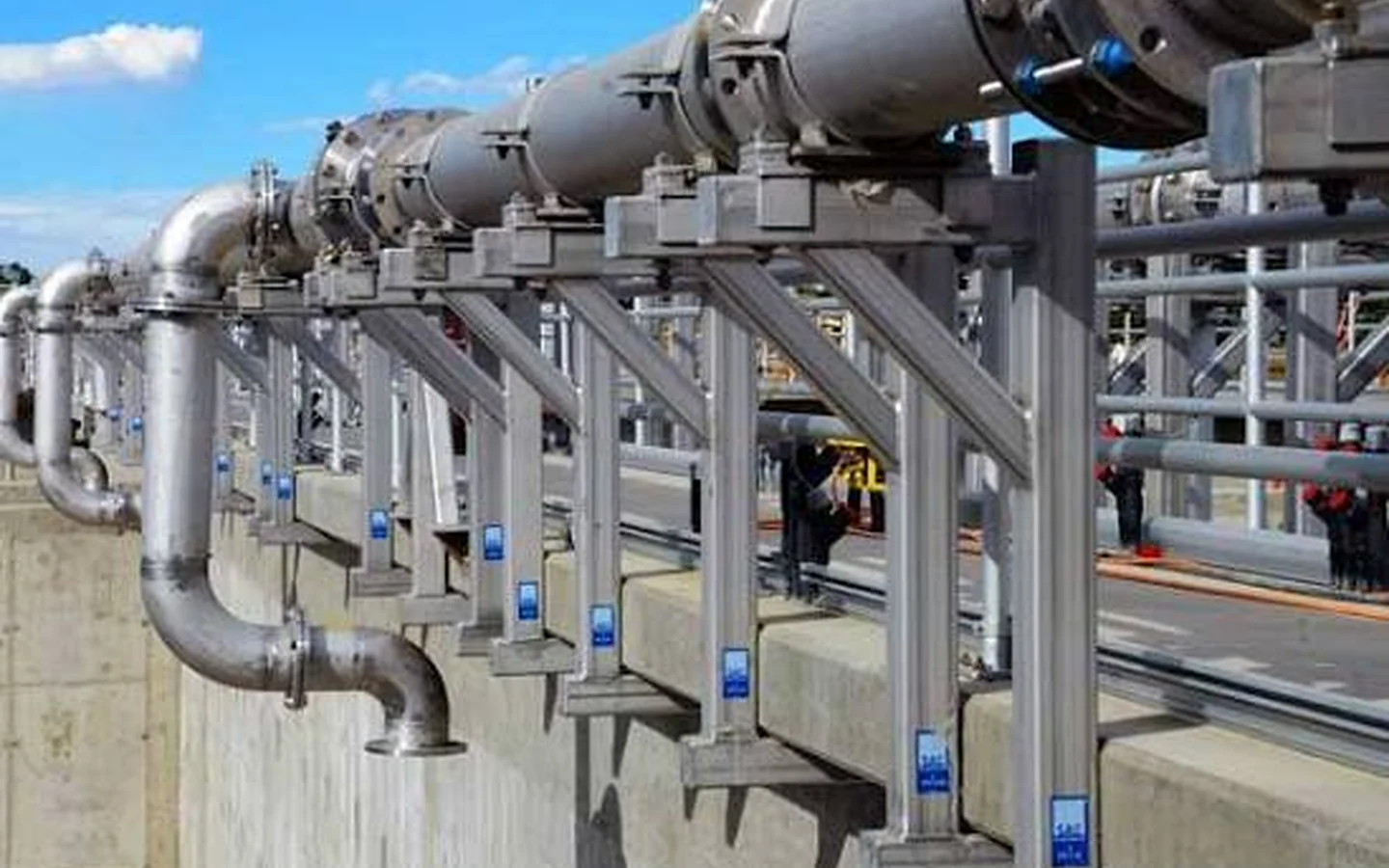
Supports & Interfaces
Supports and fixing conditions are coordinated where equipment or piping depends on surrounding structural or building elements.
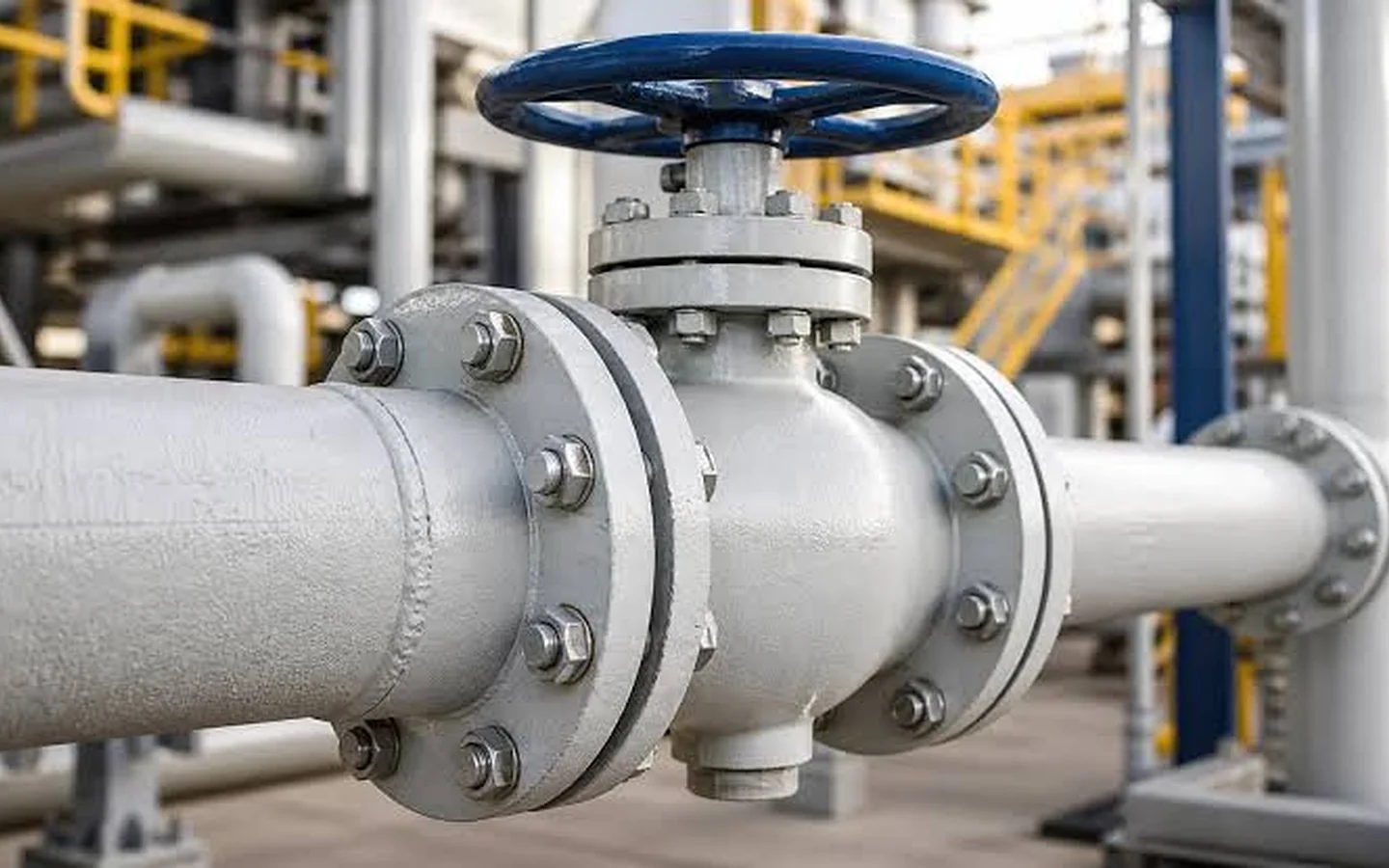
Mechanical Connections
Equipment and system connections are completed against the actual equipment information, connection requirements and coordinated service interfaces.
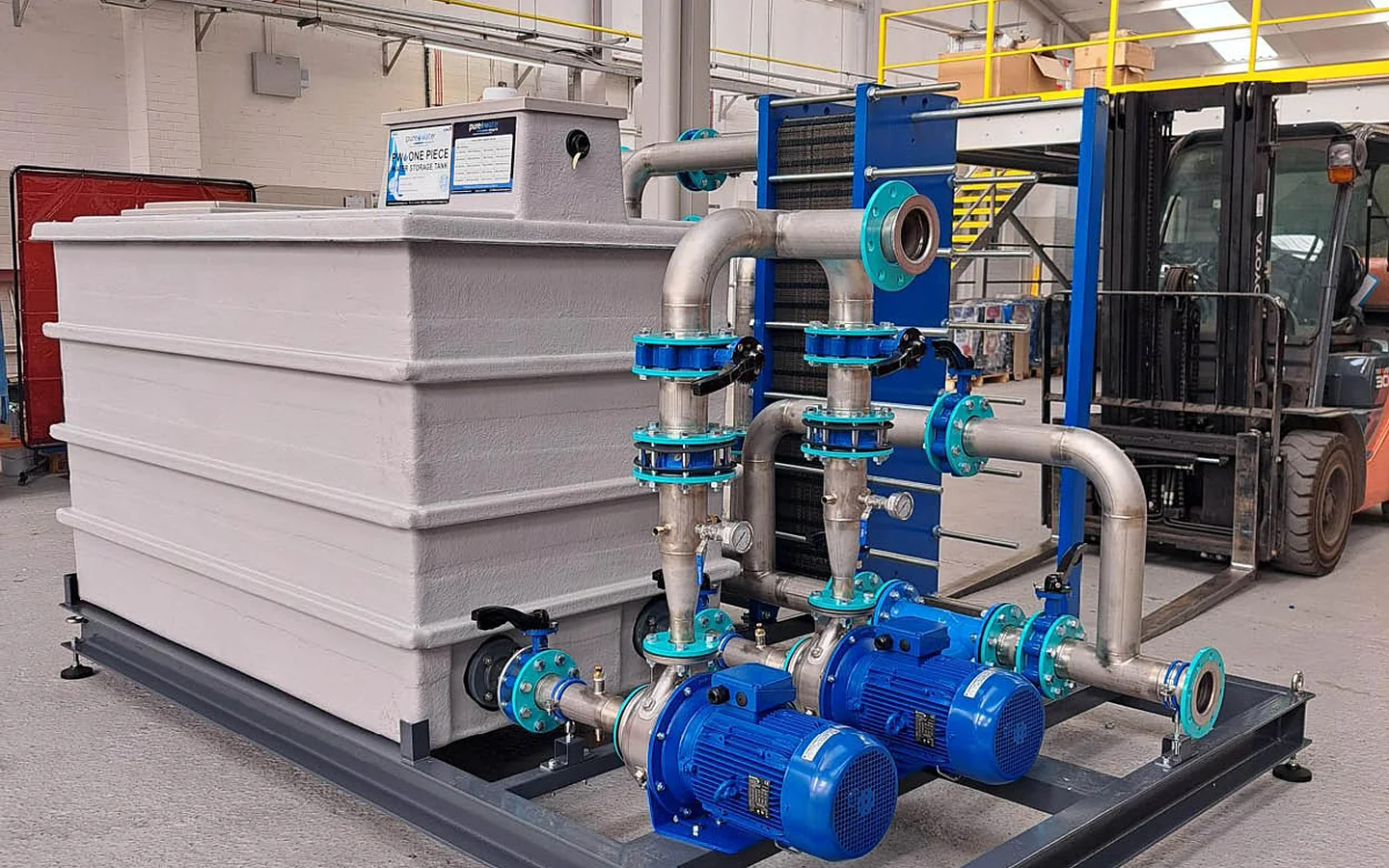
Installation Readiness
We consider how equipment will reach its final position, whether the area is ready and whether enough working space remains for installation and inspection.
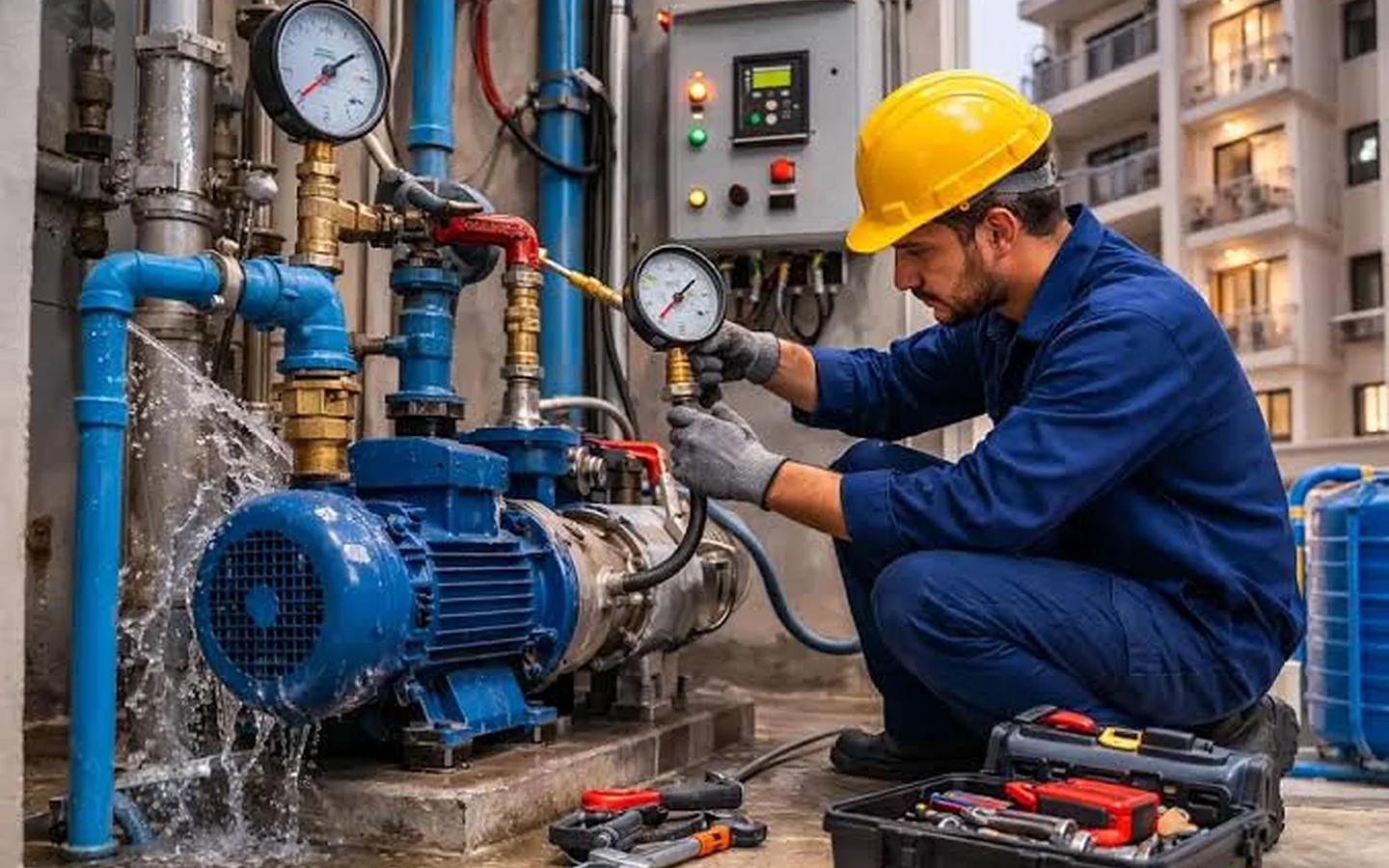
Mechanical Completion
Inspection, planned testing, outstanding items and close-out records are progressed alongside the physical installation.
Scope in Practice
Mechanical work depends on sequence. Access, installation, connections and inspection are easier to manage when they are planned as one chain of activities.
Confirm installation conditions.
We review equipment information, access, supports, routes, connections and surrounding services before work begins.
Place equipment correctly.
Equipment is positioned with the clearances, supports and orientation needed for the remaining installation work.
Complete the planned mechanical connections.
Piping and other mechanical connections progress against the approved equipment and system requirements.
Keep surrounding services in view.
Electrical, HVAC, firefighting and structural interfaces are coordinated while the work remains accessible.
Complete the installation in a controlled way.
Inspection, planned testing, outstanding items and required records are addressed as the installation moves toward mechanical completion.
Working Across Disciplines
Mechanical equipment rarely works in isolation. Coordinating the physical interfaces early helps protect access, sequence and maintainability.
Equipment bases, openings, supports and fixing conditions are checked early so mechanical installation is not held by incomplete building interfaces.
Power supplies, isolators and connection points are coordinated with the final equipment position and installation sequence.
Plant rooms and technical routes are reviewed where mechanical piping, HVAC equipment and ductwork need to use the same working areas.
Controls and specialist interfaces are identified early so device locations, connections and specialist responsibilities are clear before handover.
Movement routes, lifting conditions and working space are considered before equipment arrives, helping protect both installation access and programme.
Testing and commissioning support is confirmed in advance so mechanical completion connects cleanly with specialist activity and project handover.
Project Environments
Equipment access, logistics, operating restrictions, technical space, lifting conditions, programme constraints, safety requirements and maintainability can all influence mechanical execution.
Explore Industries We Serve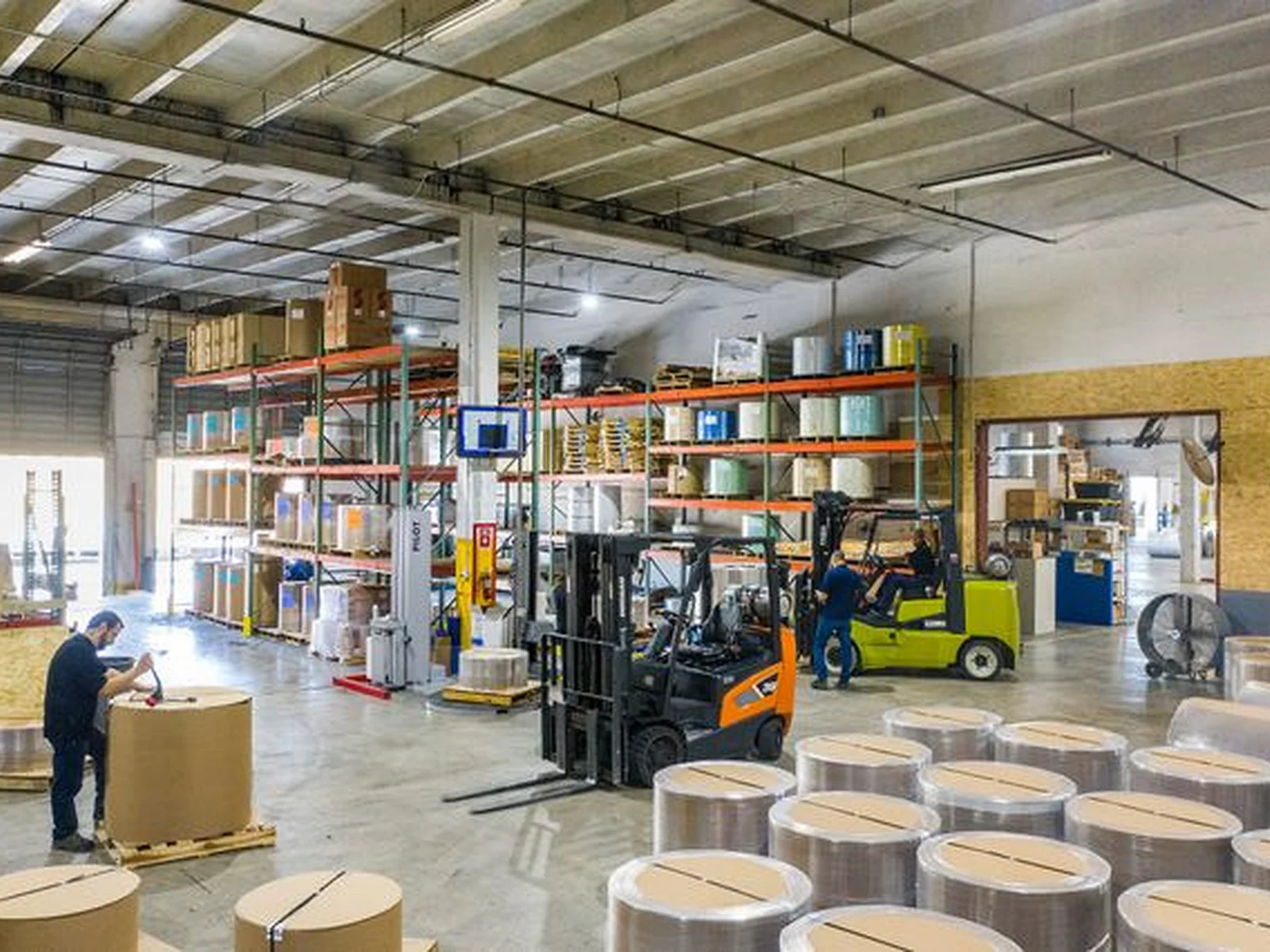
Equipment, piping and utilities planned around access, lifting, operating conditions and installation sequence.

Mechanical equipment and services coordinated with plant areas, electrical power, HVAC and building access.
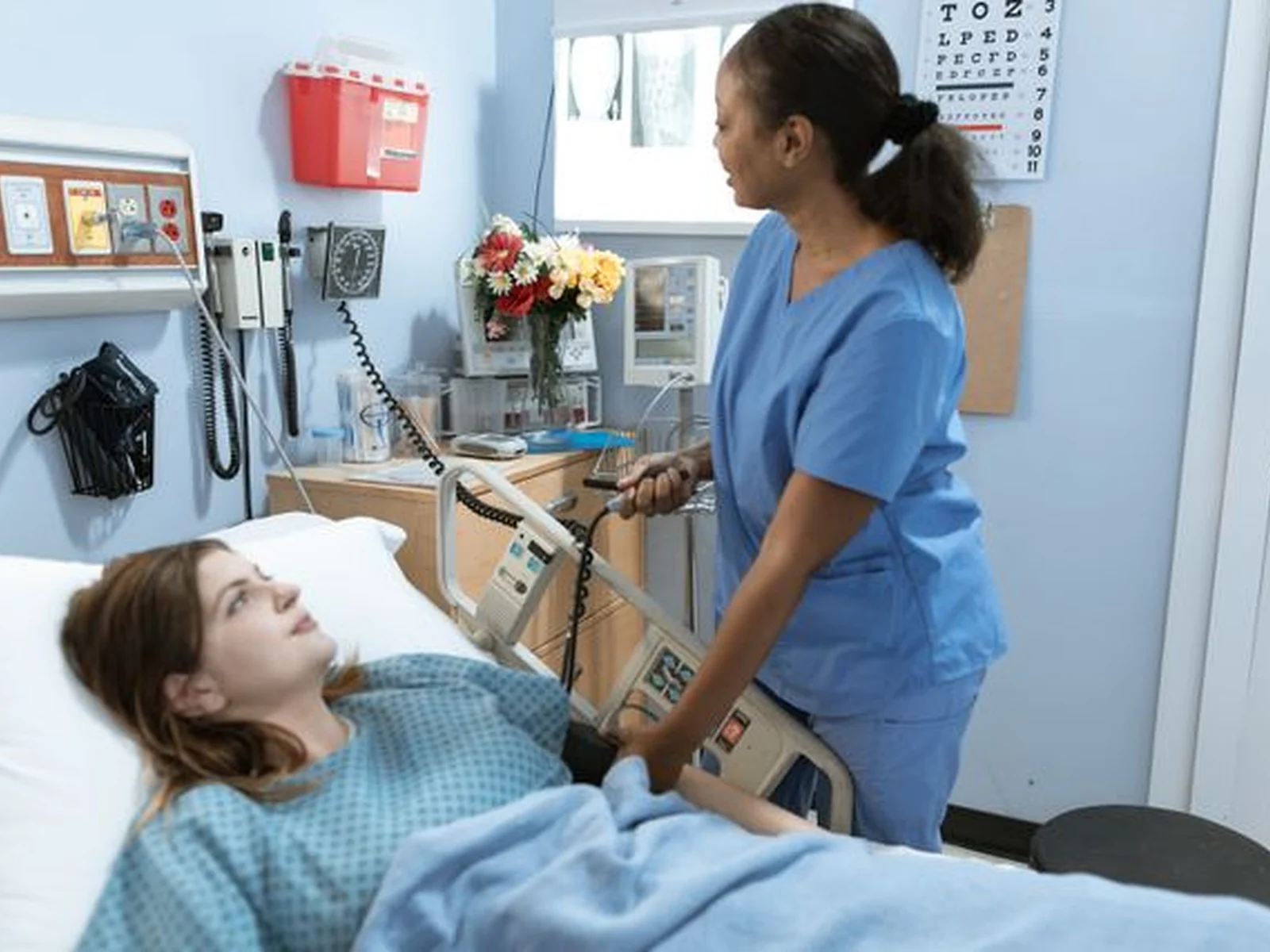
Technically dense environments where access, coordination and working conditions need careful planning.

Mechanical work coordinated with technical spaces, programme and the completion of public-facing areas.
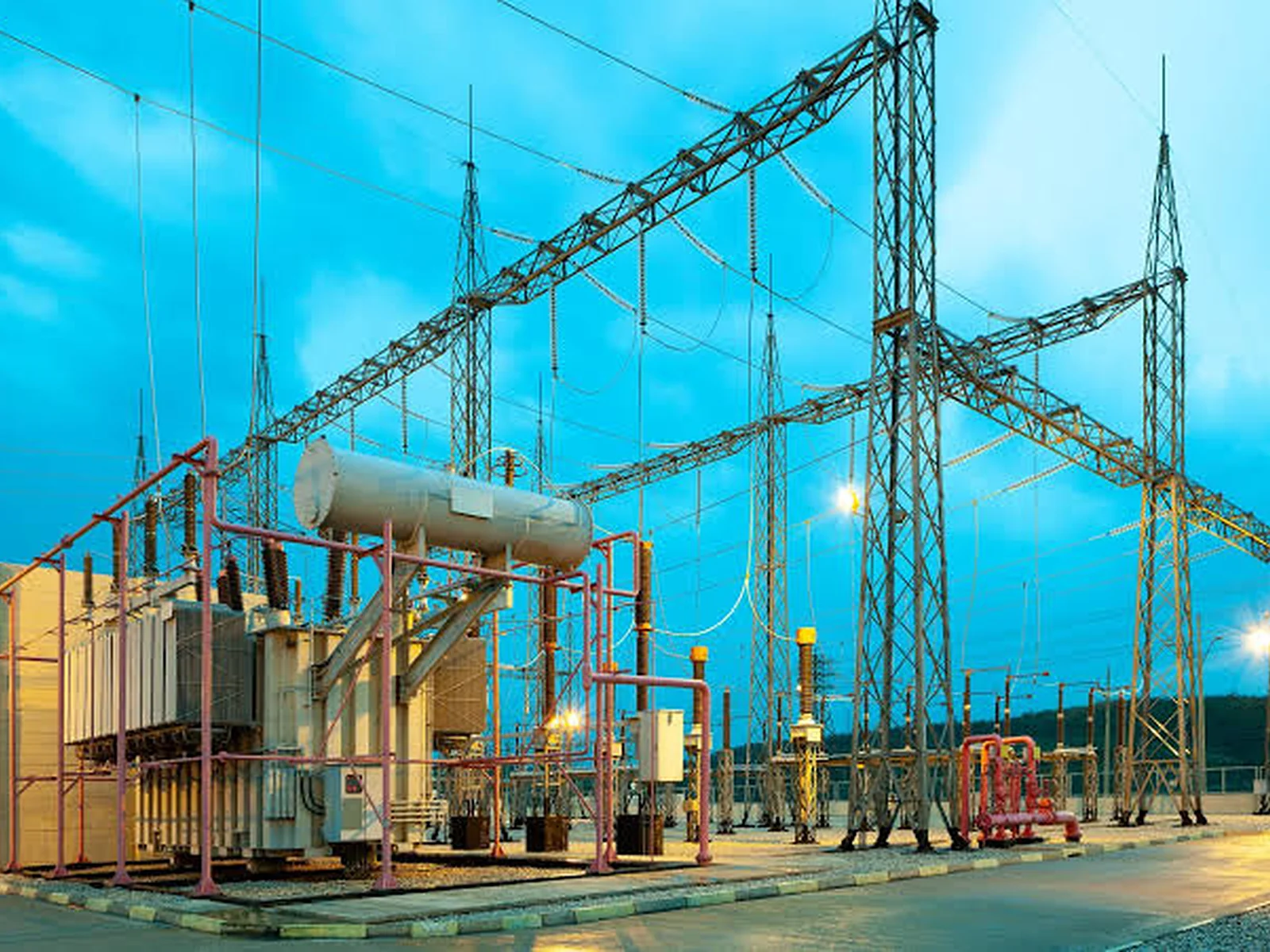
Equipment and utility installations shaped by access, safety and project-specific technical interfaces.

Mechanical work planned around site access, programme and surrounding building services.

Mechanical requirements across units, common areas and shared technical spaces.
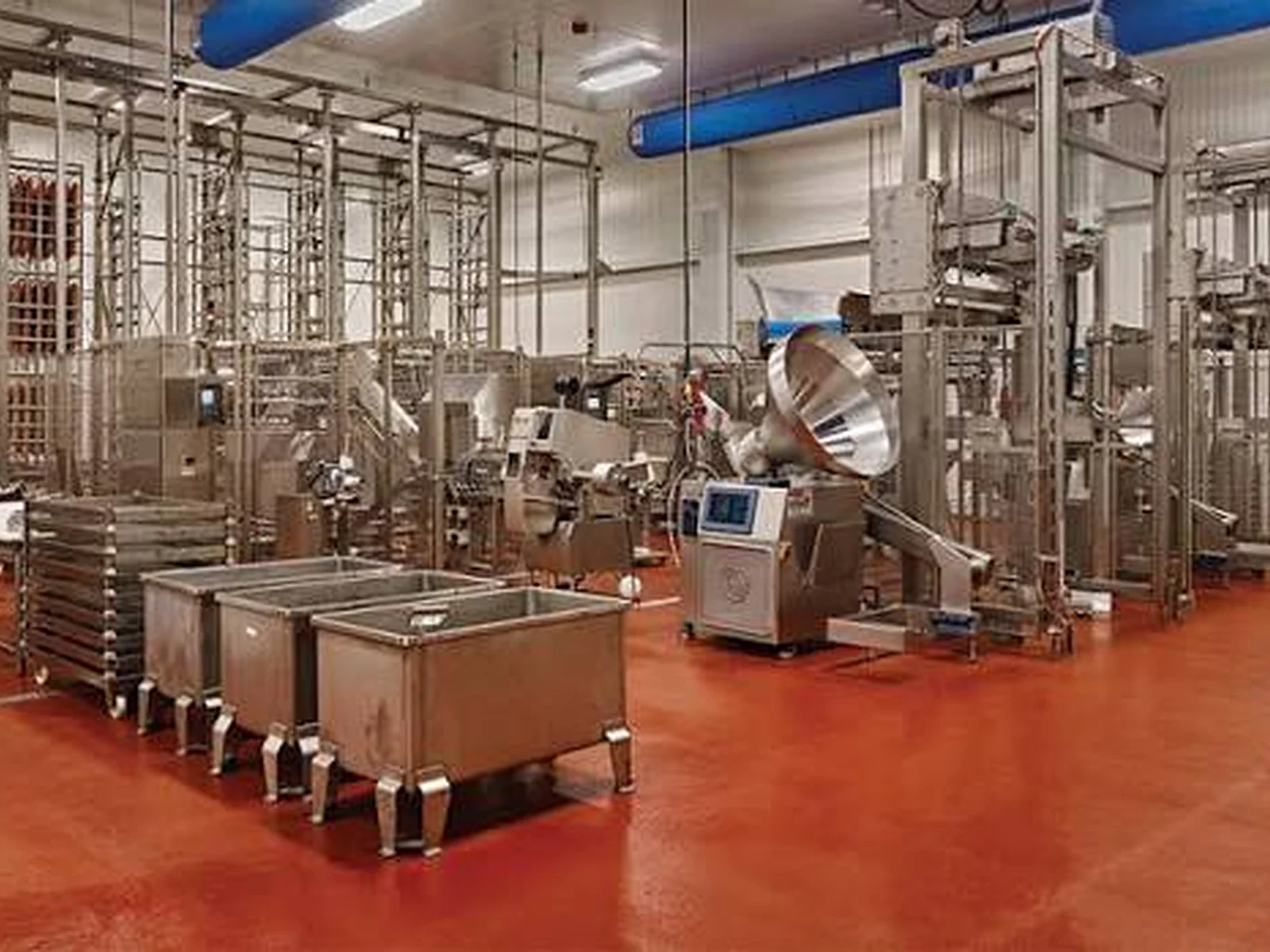
Equipment and mechanical systems delivered around project-specific process, access and technical requirements.
Why Wattle
Mechanical installation depends on access, supporting conditions, service connections and the sequence around the equipment. We plan these factors together so the installation can progress efficiently and the required interfaces remain accessible.
Consider the work before equipment arrives.
Access, lifting, working space, supports and connection sequence are reviewed before installation begins.
Think beyond initial installation.
Where the project requires future access, equipment, valves and inspection points are considered before surrounding construction closes the area.
Keep connected systems clear.
We coordinate physical dependencies with electrical, structural, HVAC and specialist systems so connection points, access and ownership are understood before installation reaches them.
Check the work while access remains available.
Installation, connections and planned checks are reviewed as the work develops rather than only at the end.
 Quality · Testing · Safe execution
Quality & Safety
Mechanical work is managed around the actual hazards of equipment movement, tools, access, stored energy and interaction with other site activities.
The controls required depend on the actual task and site environment. Wattle’s baseline approach includes hazard identification and risk assessment, appropriate PPE, task-specific controls, housekeeping, emergency readiness, competent supervision and stop-work authority where conditions are unsafe.
Quality should be built into the work while installation remains accessible rather than treated only as a final inspection exercise.
Task-specific controls, suitable handling arrangements, access and competent supervision are planned around the work being performed.
Equipment positions, piping routes, supports and connections are checked against approved project information.
Checks take place while equipment and services remain accessible for practical correction.
Testing and commissioning support is planned around the project handover strategy, with Wattle’s activities confirmed before execution so the next stage can proceed from a clear completion point.
Inspection status, test records and outstanding-item closure progress alongside the installation.
Other Services
Mechanical requirements often depend on other construction disciplines for structural readiness, power, technical-space coordination and final completion.
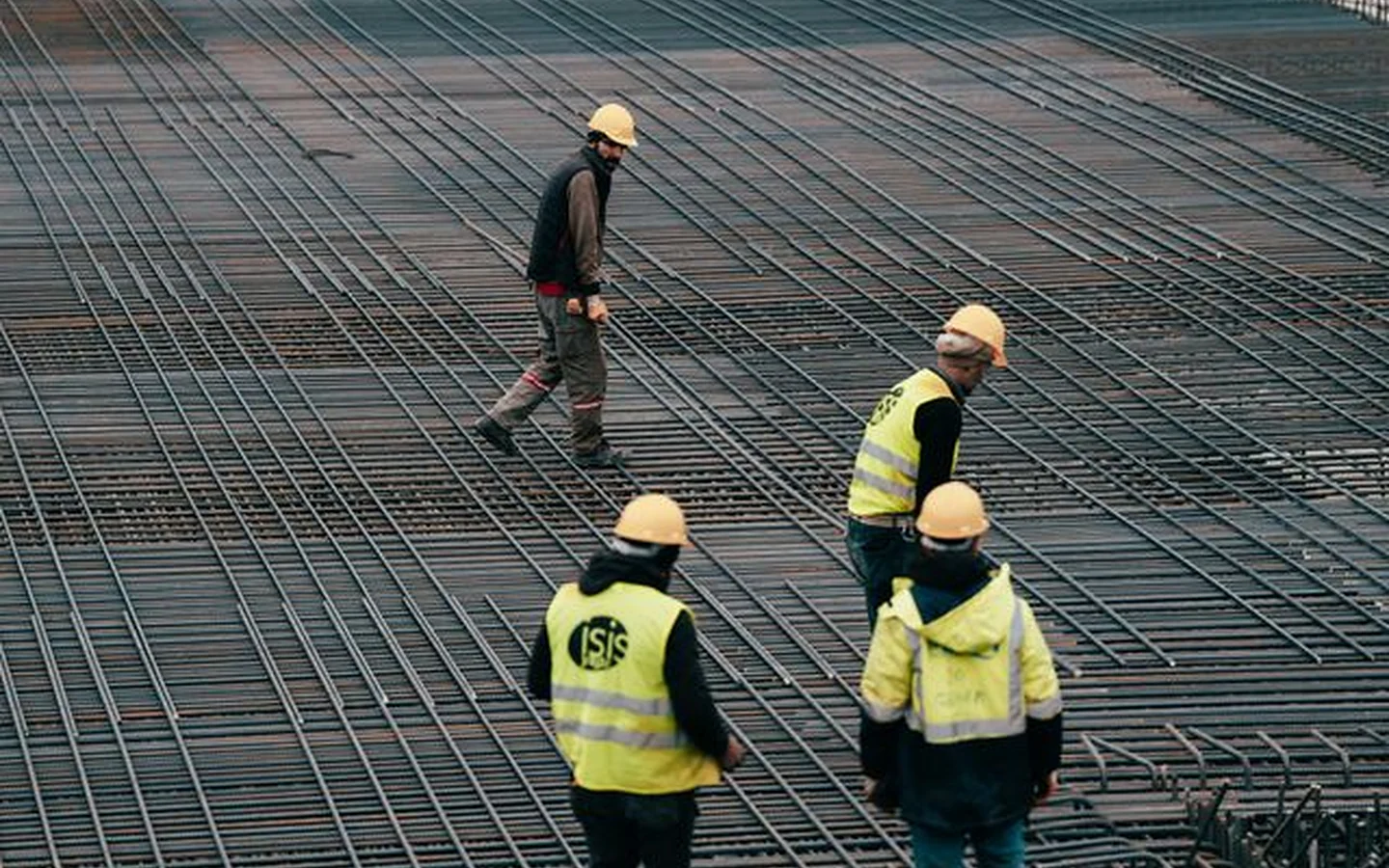
Civil and structural readiness supporting equipment bases, openings, supports and access.
Explore Civil & Structural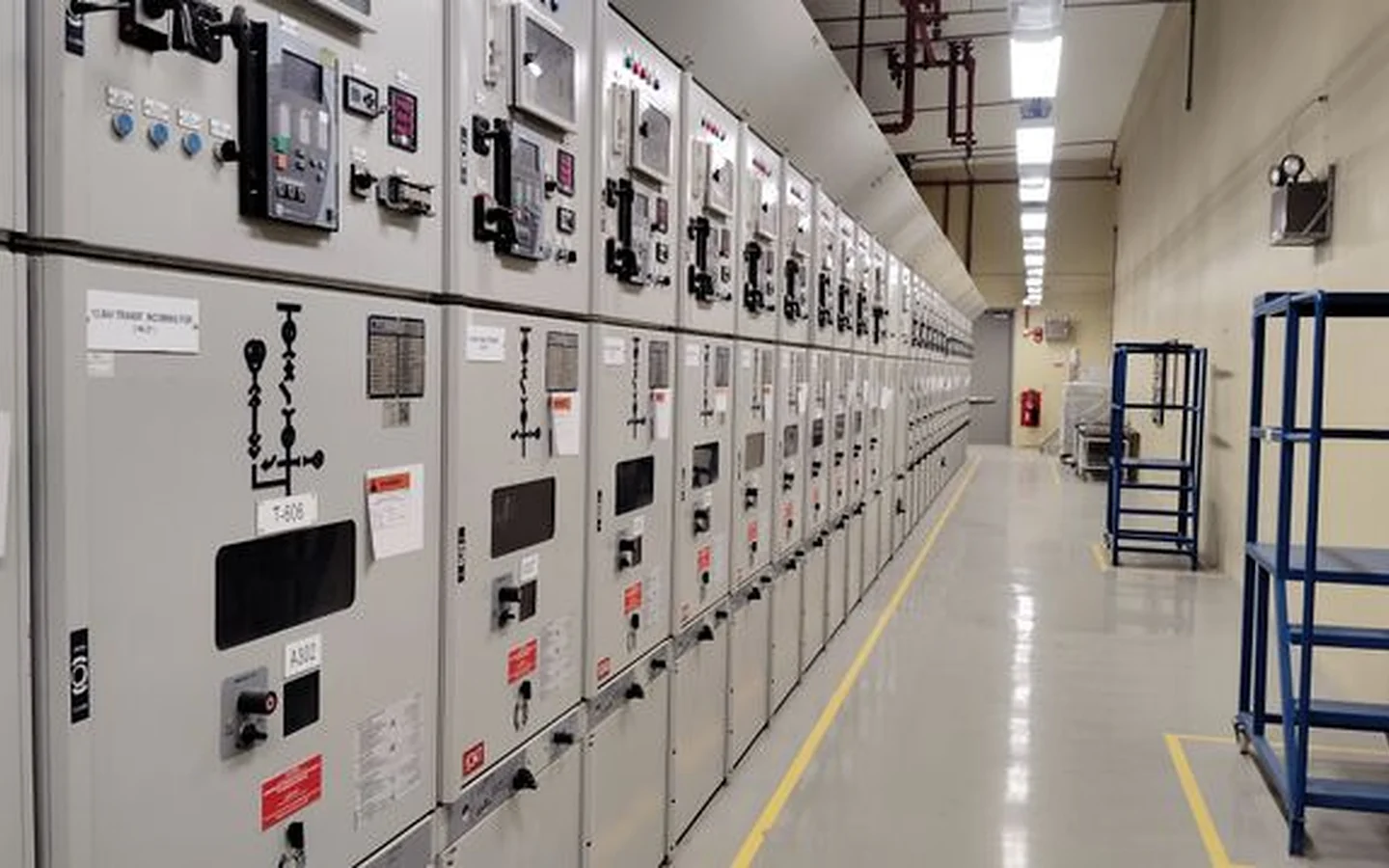
Electrical power and connection requirements for mechanical equipment.
Explore Electrical Systems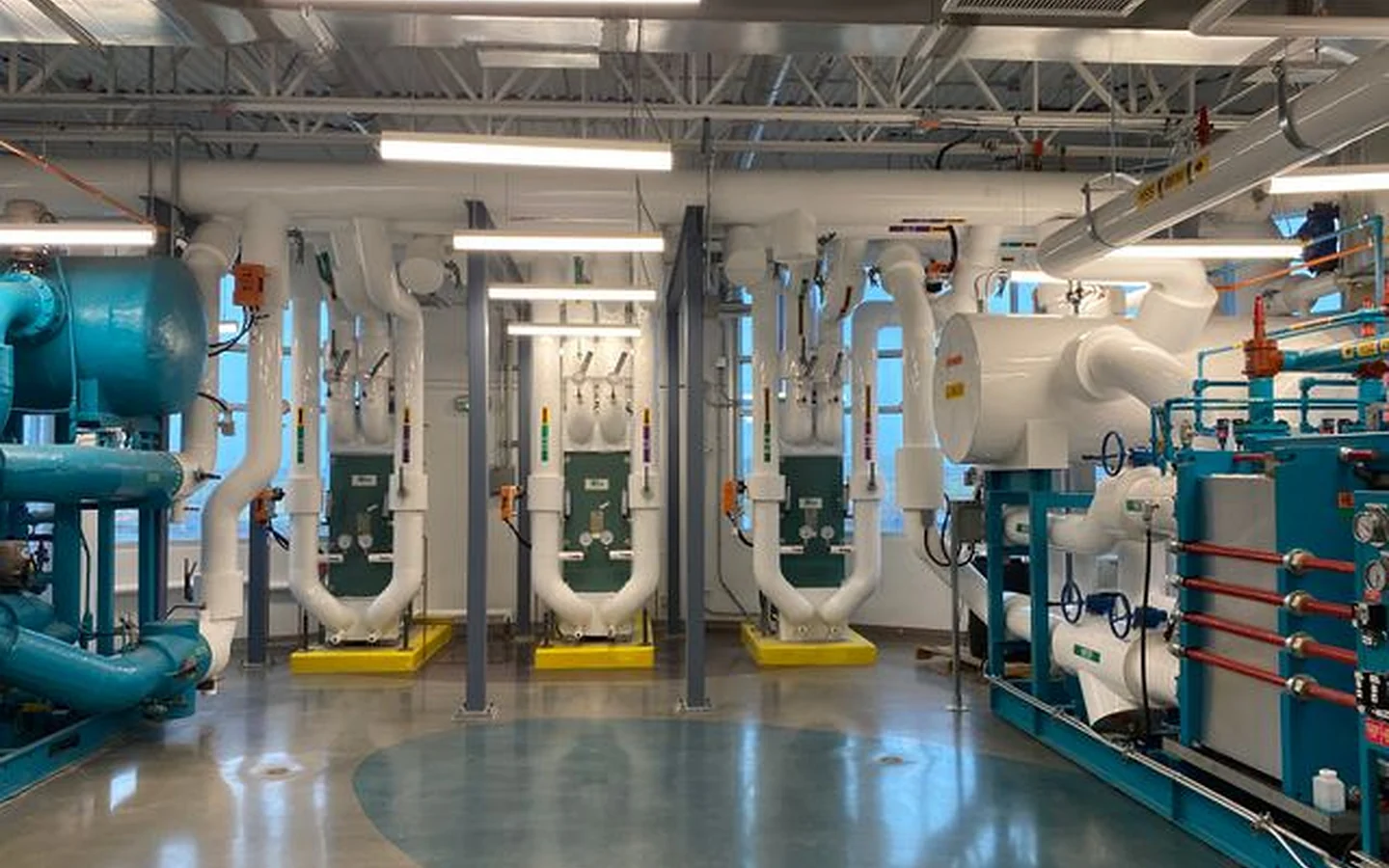
HVAC equipment and services that may share plant rooms, piping routes and access constraints.
Explore HVAC Engineering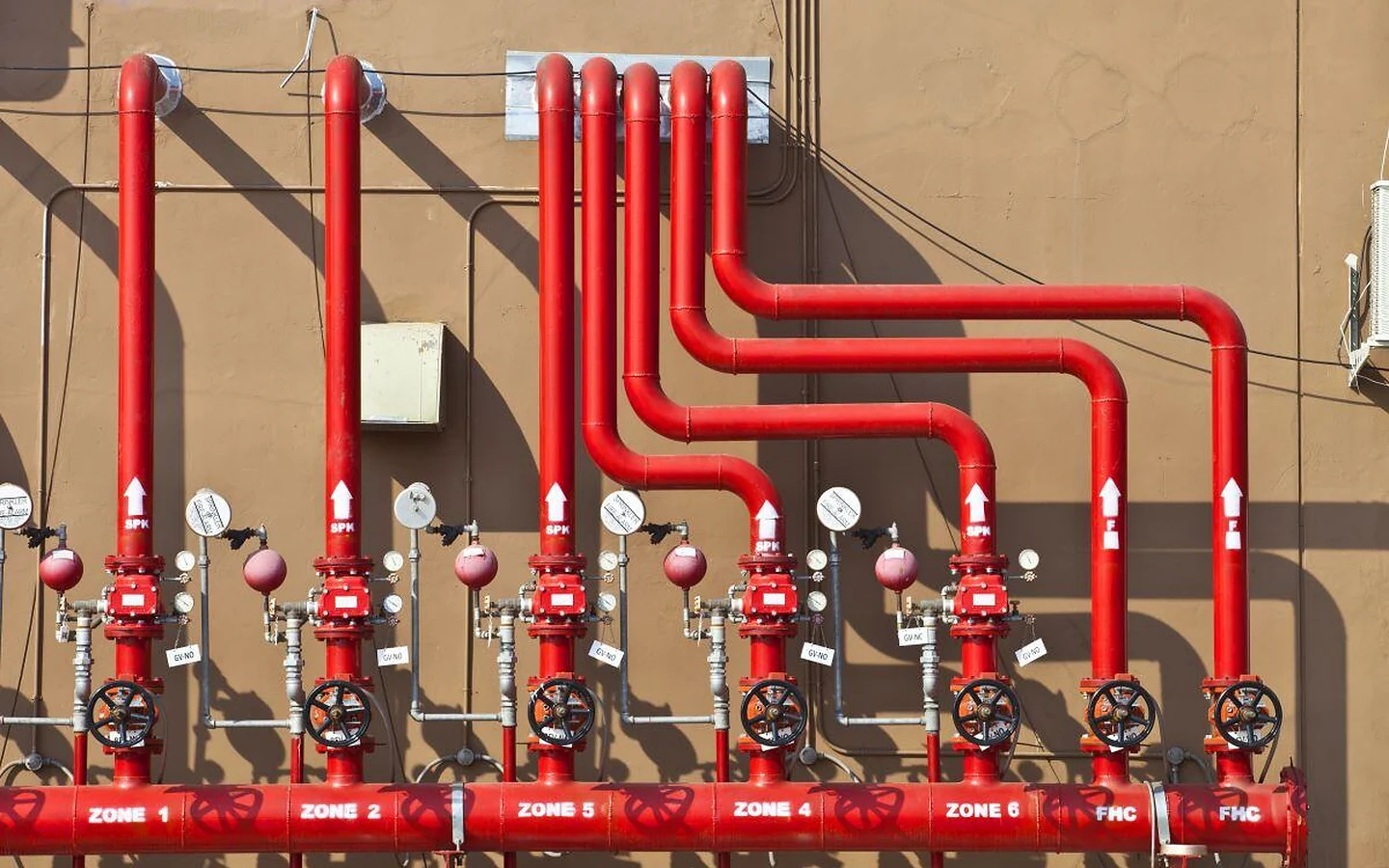
Firefighting piping and services that can share technical routes with mechanical work.
Explore Firefighting & Life Safety
Tiling, painting and MEP coordination after mechanical requirements affecting finished areas are resolved.
Explore Fit-Out & CompletionMechanical Service Enquiries
Find practical answers about our mechanical services, equipment information, access planning and the testing or commissioning details useful for an enquiry.
We undertake mechanical equipment installation, piping, supports, connections, access planning, inspection, testing and completion activities based on the requirements of the project.
Equipment varies significantly by project. Send the equipment information, drawings and required installation scope so we can review the requirement in the correct technical context.
Mechanical design is reviewed separately from installation. If design support is required, we confirm that responsibility during project review so the engineering and execution roles are clear from the start.
Commissioning needs vary by equipment and system. We confirm the testing and commissioning support required from Wattle before execution so the installation and handover plan are aligned.
We review movement routes, working clearances and required access to equipment, valves, connections and inspection points where these are part of the project requirements.
Useful information includes the project location, equipment details, piping requirements, drawings, programme, access constraints, known interfaces and any testing or commissioning responsibilities already defined.
Discuss Your Requirement
Share the equipment information, project location, current stage and available scope documents. We can review the requirement and discuss the appropriate next step.